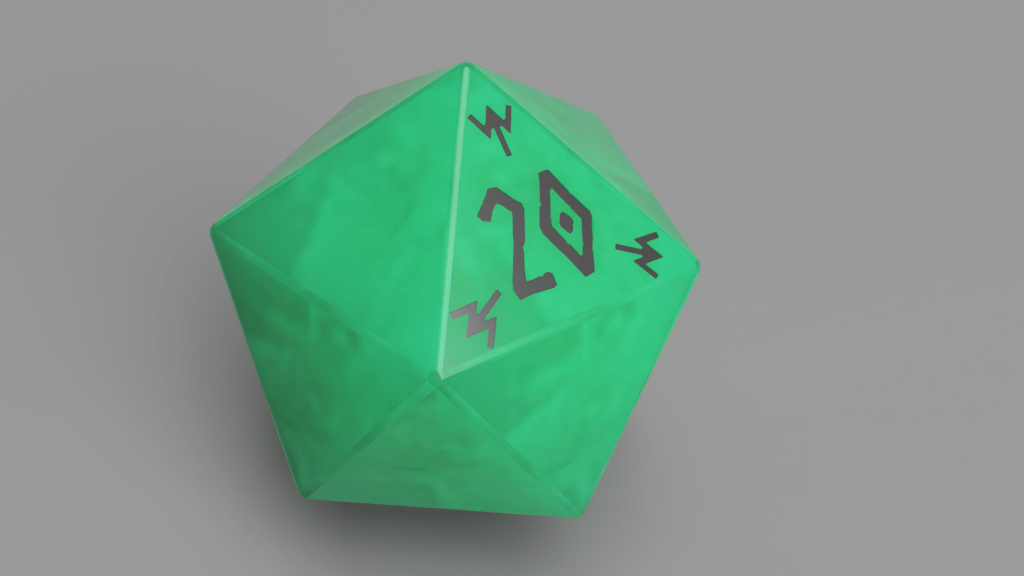
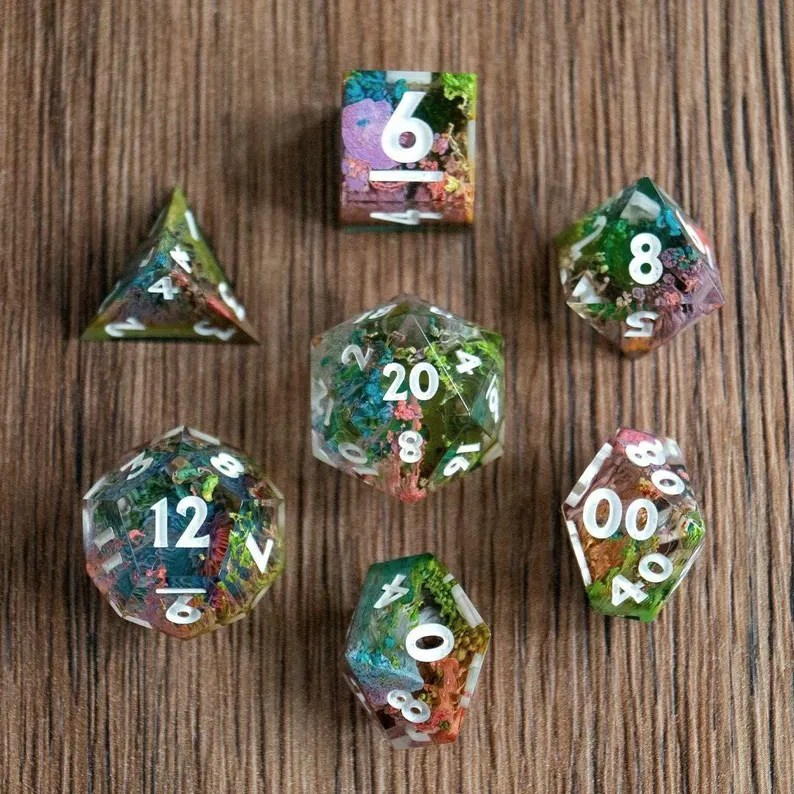
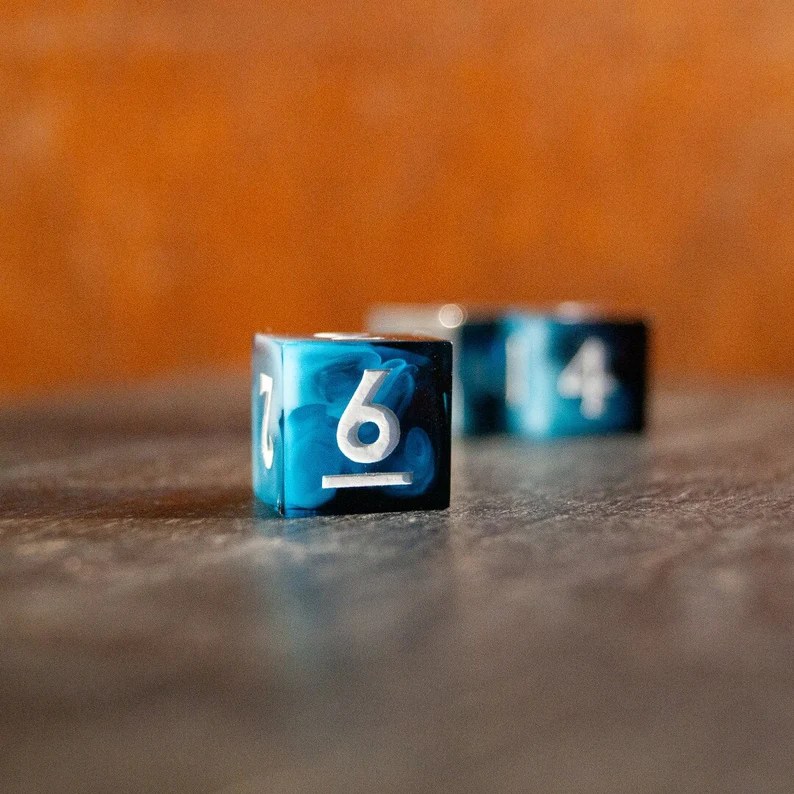
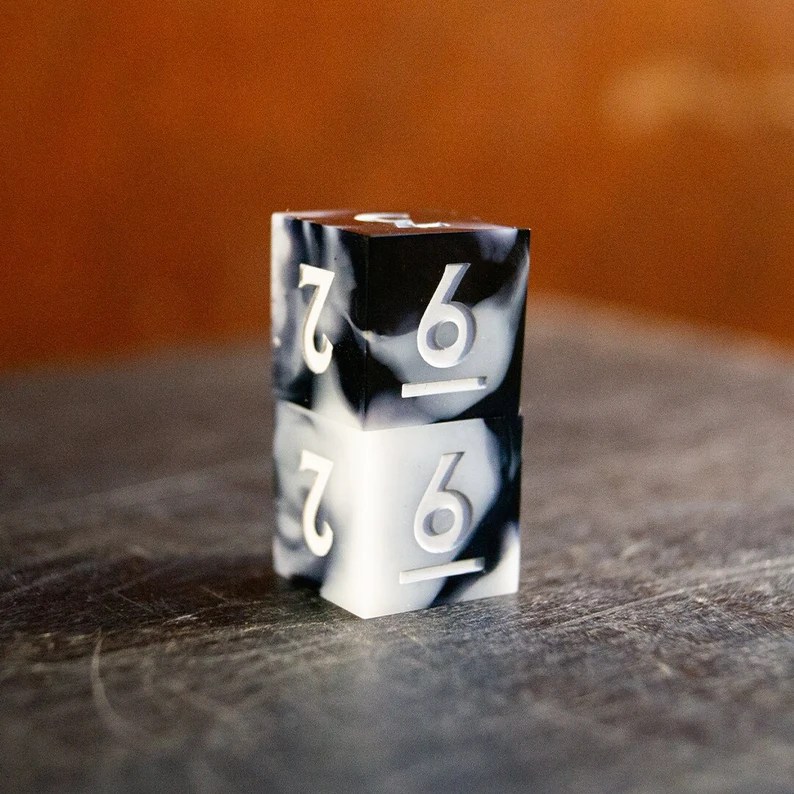
A friend of mine makes and sells gaming dice, specifically they cast them from resin. I definitely find the idea intriguing and if I had the equipment laying around I’d absolutely give it a whirl. Lacking the equipment doesn’t mean I won’t poke the concept though, and modelling a D20 piqued my curiosity initially due to coming up with my own face design. It soon descended into madness as I realised it wasn’t that simple mathematically to design.
The design
I set to work in Fusion360 deciding I could totally figure it out myself, but was quickly humbled. I started with an equilateral triangle sketch, as that’s what the sides appeared to be and in fact were. I extruded the triangle and added a taper to it to make a pyramid. My plan was to make this pyramid then rotate many of them around the centre with some kind of offset and voila! A D20. Oh how little I knew.
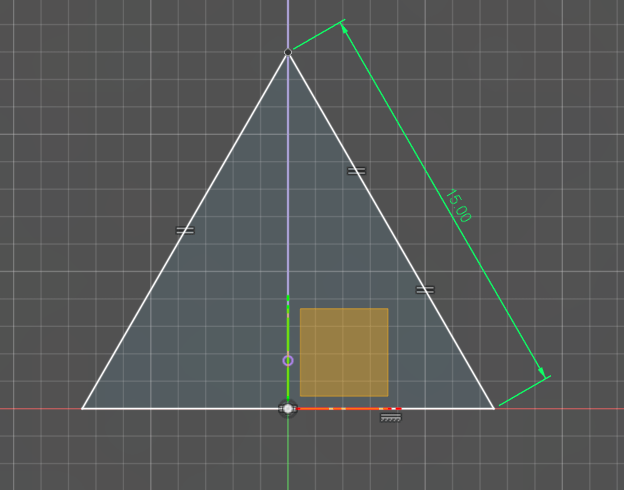
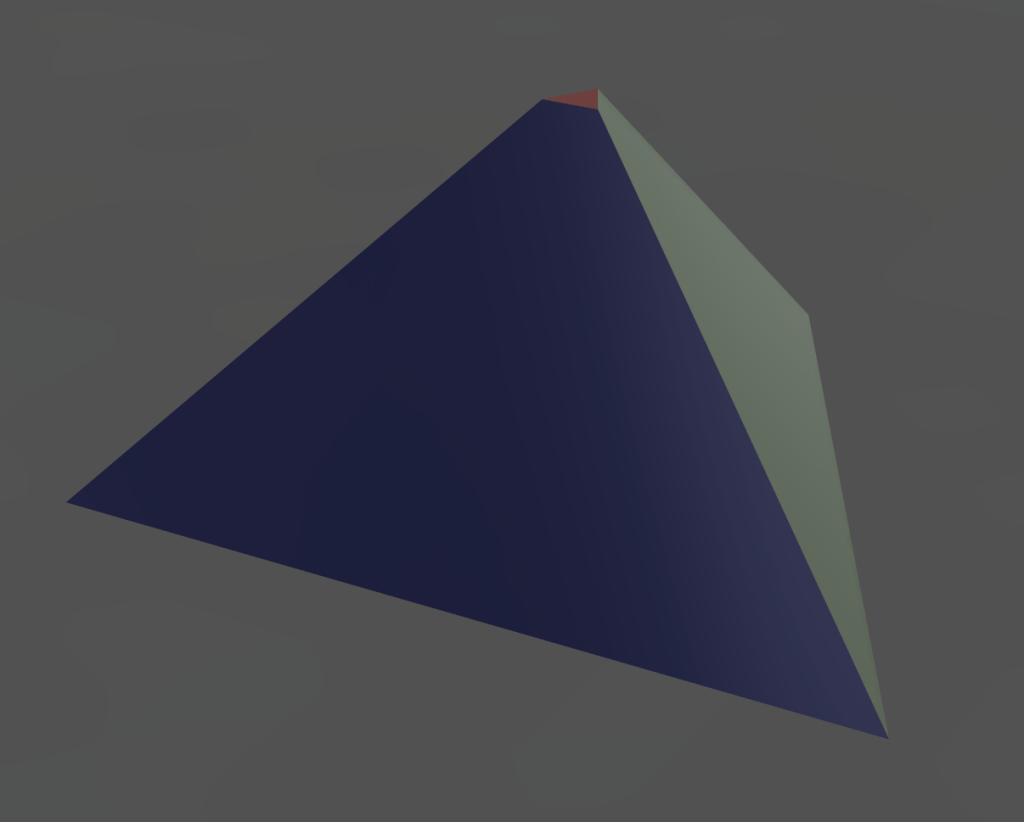
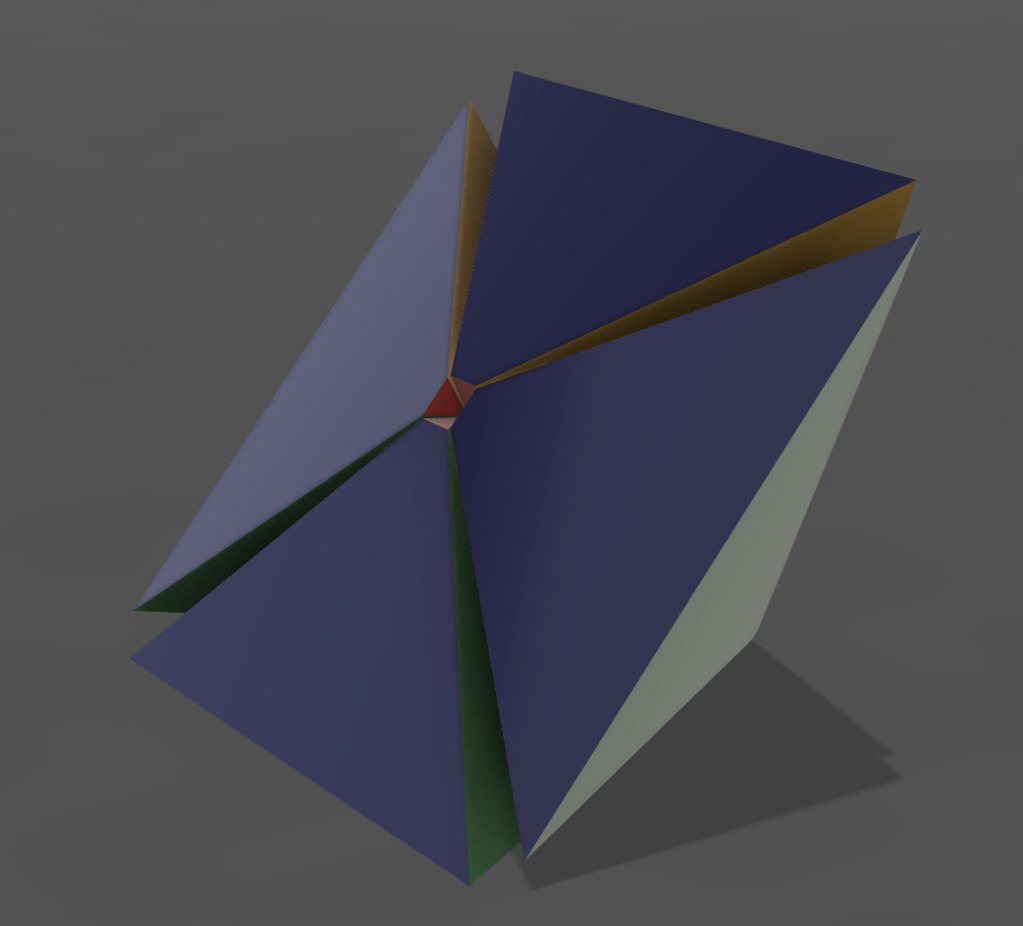
The question became, what angle to make the taper? This would be the angle that each of the sides met, right… Well, yes, but it’s just not that simple. I had assumed it’d be some obvious angle, like 30, or whatever 360 needed to be divided down to. But it turns out that, rather clearly, the sides are not sat at equal angles, instead flip flopping back and forth as they go round.
http://www.lincswildlife.com

en.wikipedia.org
So, this was going nowhere once I tried to duplicate it in a circle, I know it may seem obvious to you watching this failure unfold, but I had this vague, and ultimately incorrect, feeling it was going to be simple.
All hail the mighty Google
So there was option A, the golden rectangle thing which I found in this post. For some reason I didn’t want to do that, I think I have an aversion to surfaces after a previous experience where said surfaces wouldn’t create a solid object no matter how hard I tried. I really should have just gone with this, look, even Wikipedia has an image of it under icosahedron
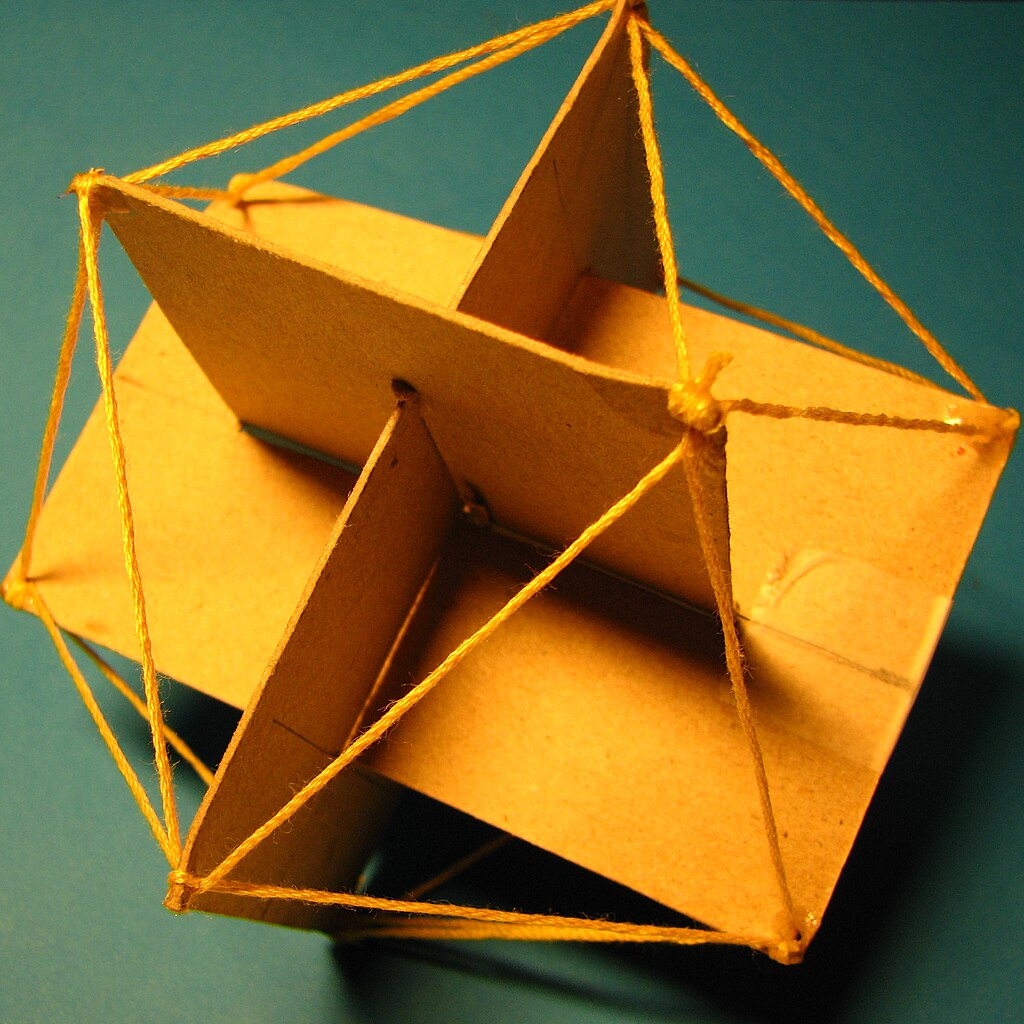
Wikipedia.org
And then there was option B, and I’m not sure why this approach tickled me, but I liked it. It’s not exactly what I’d want, which I guess I’d define as almost a procedural type approach, where you’d define one triangle and how the pattern repeats. But at this stage screw it I want to move on. So, in a very unlike me way, I followed a tutorial. I of course tried to skip ahead faster but had to rewind and patiently follow along.
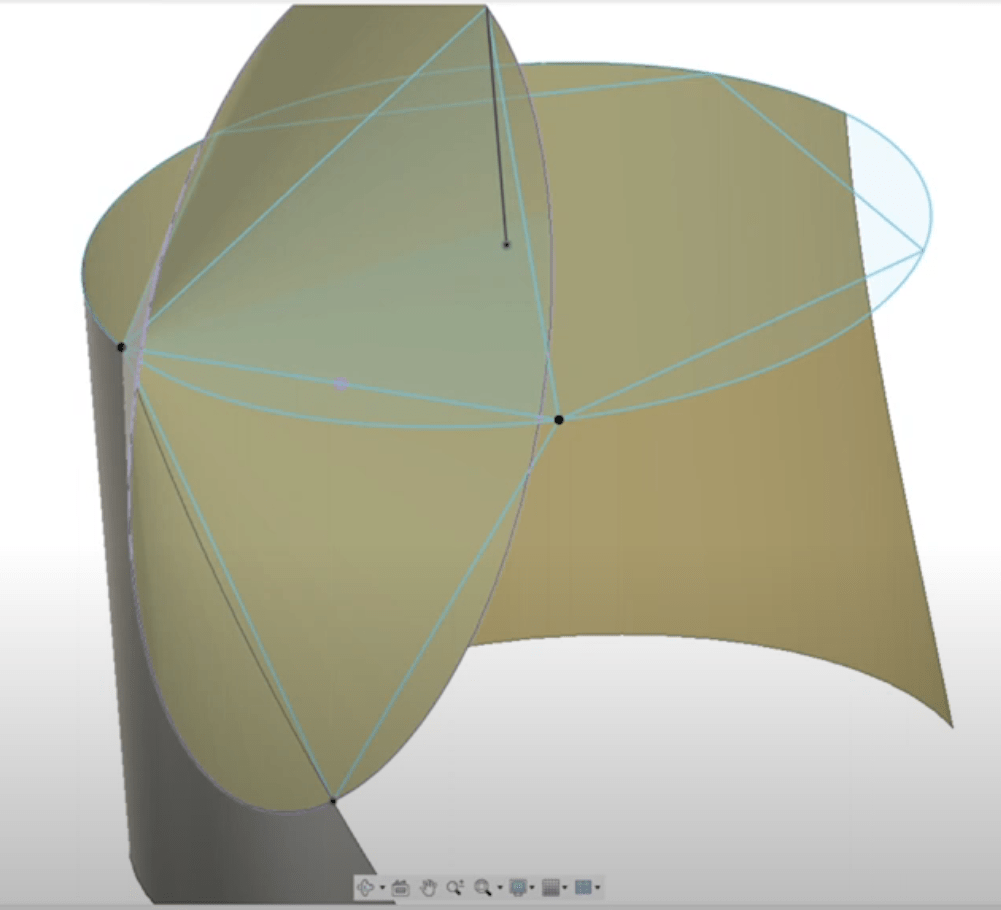
CADemist
The end of this journey…
No wait, that was just the Icosahedron, wasn’t I making a D20?
The design of the face was a lot easier than the Icosawhatsathing, it was just regular CAD stuff. I decided randomly on a Norse theme as I’d recently used a Norse font elsewhere. Note that in order to extrude the Norse font, which is everywhere on the internet and in films, I had to edit the thing by juggling files as per Dr Google’s orders, it was ridiculous.
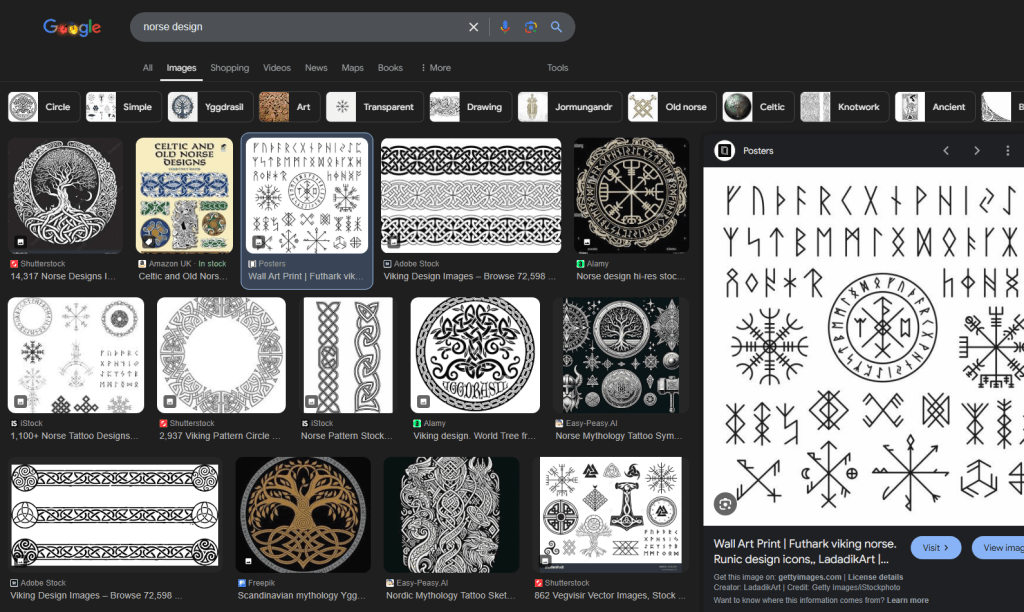
I drew a pretty lazy Norse design which I had assumed the size would never mould well. I did ask my friend at NetherAndFable about this and even at the sub mm scale, the detail would indeed come out the mould well, which really surprised me.
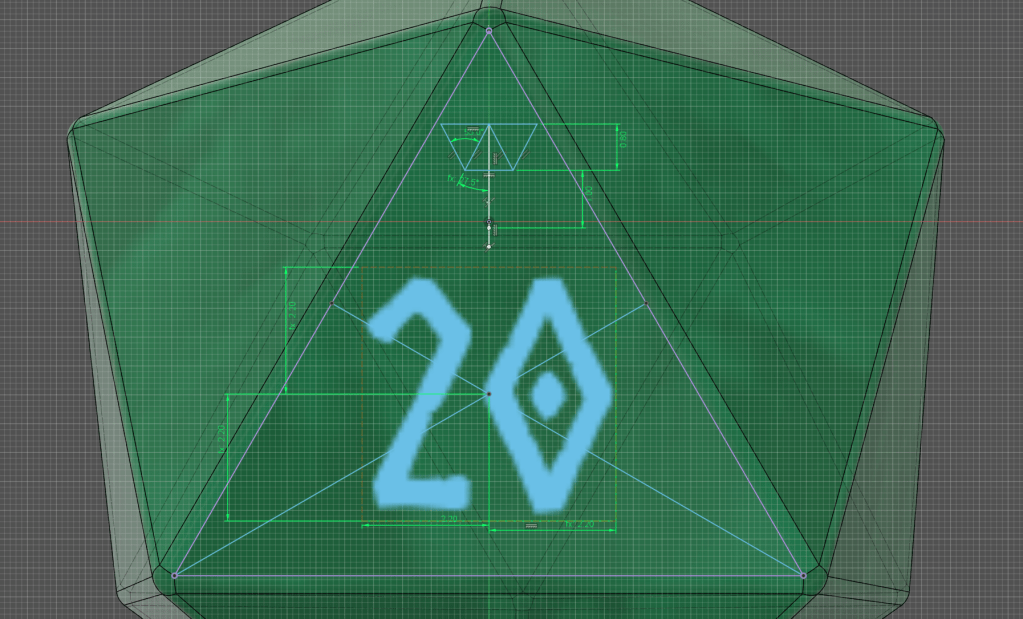
And so it was a thing, with only one face
This had taken far, far too long by this point compared to the silly CAD adventure I was intending to go on, nothing new there. I figured one face was enough to represent my design of the dice.
What had begun as a project where I could draw some art on a dice face, had become a technical project on Icosahedrons and hating mathematics more than I already did. On the one hand I’m sad I didn’t get to make a super fancy full dice like I had intended, on the other I’m happy with how it turned out. I would have loved to break new boundaries in D20 design, but for now I’m adequately humbled by this experience and bow respect to the people making unbelievably cool D20 designs.
The end
I imagined the dice cast in a clear resin with wisps of grey through it like storm clouds. The numbers would be filled with a transparent electric blue resin to create a lightning feel. For now, I textured it in jade and the project was complete.
Thanks for reading, see you in the next project 🙂
 Project Squirrel
Leave a comment